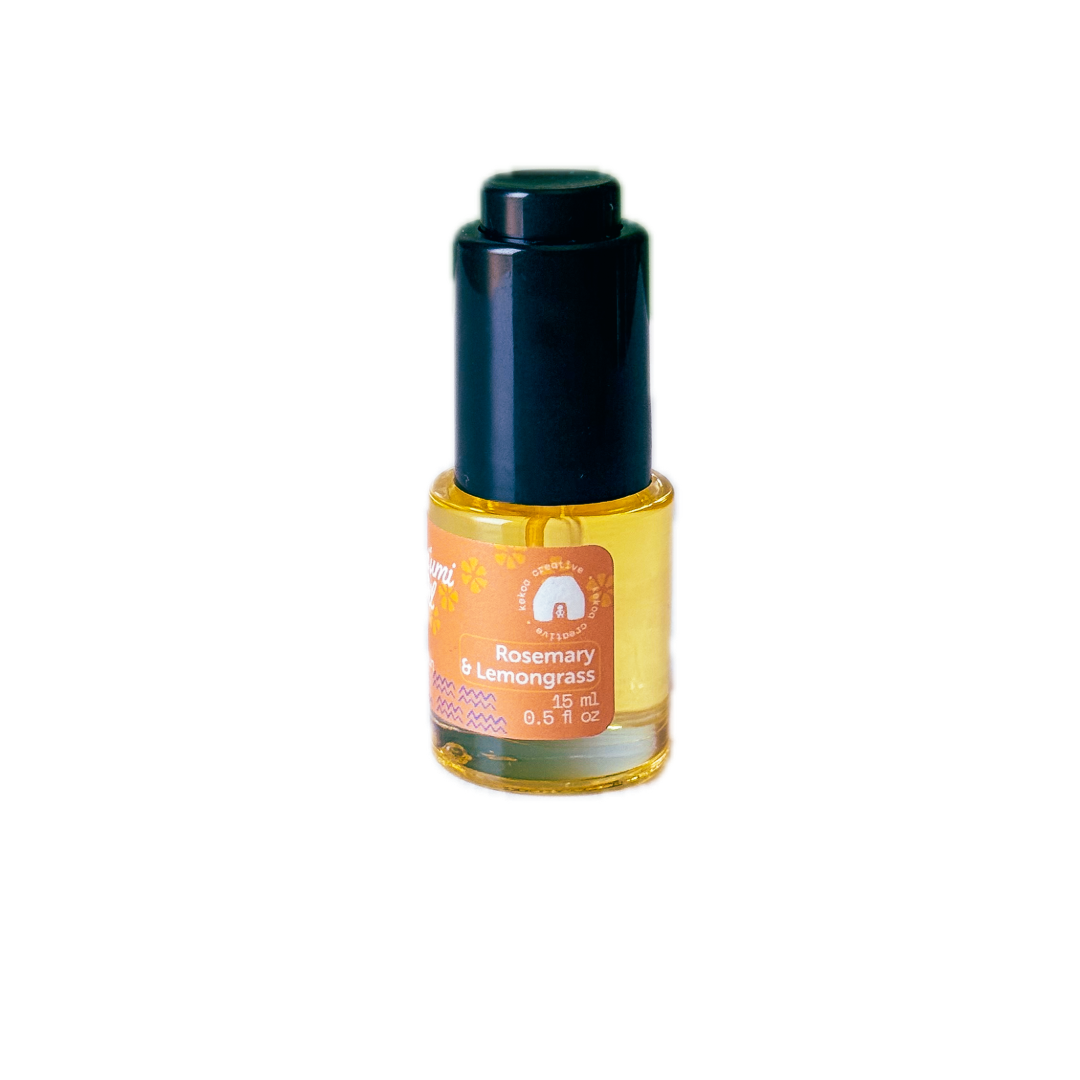
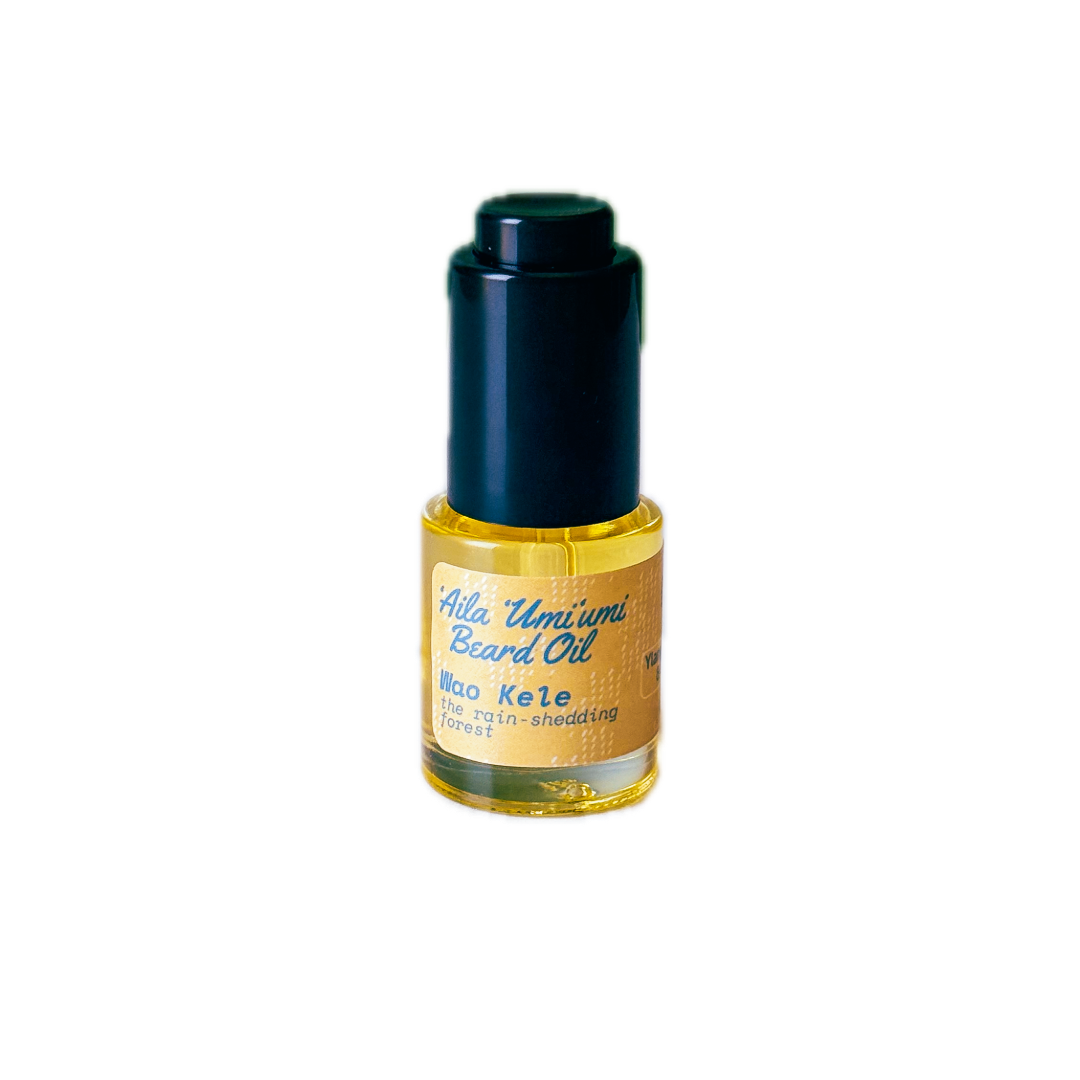
 Image 1 of 5
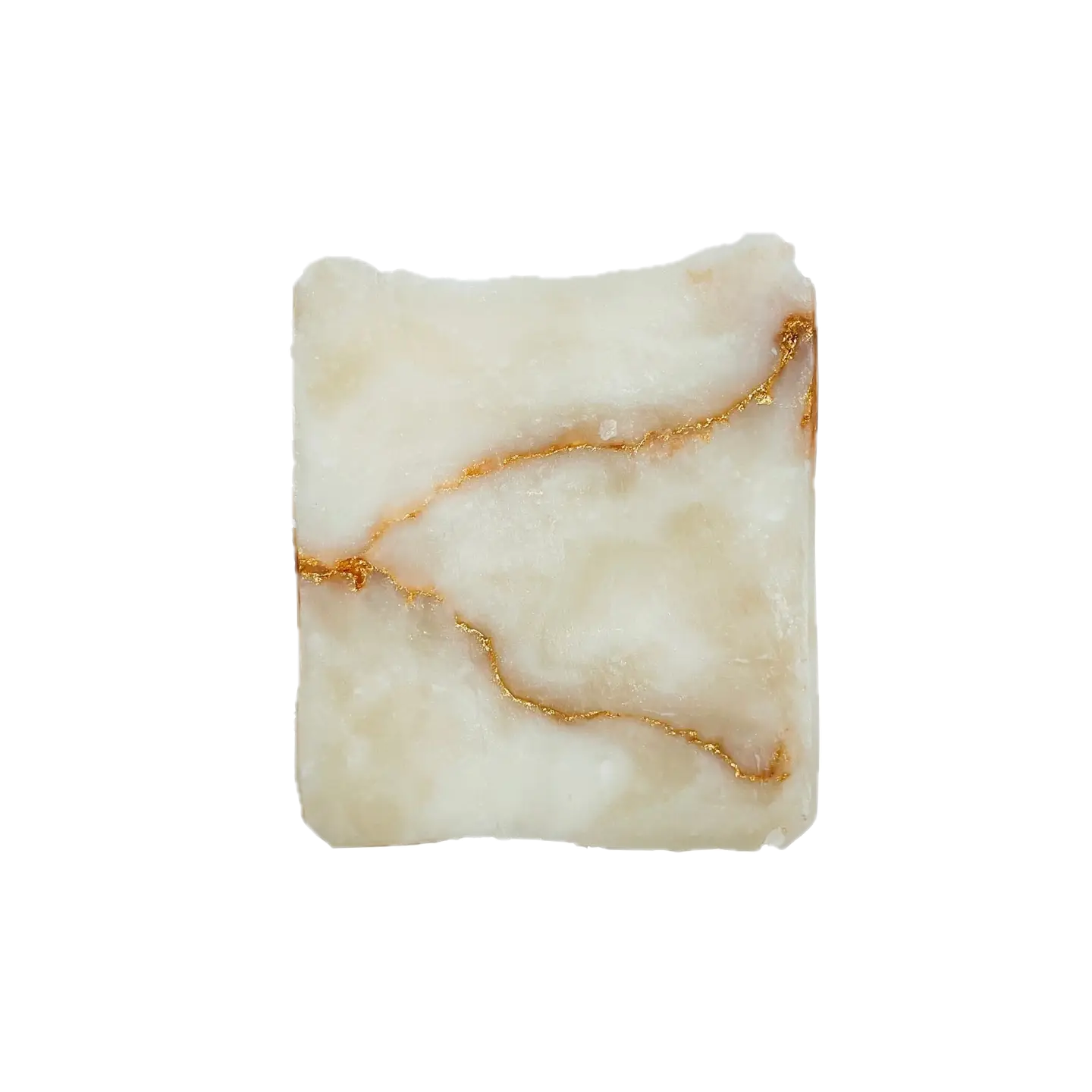
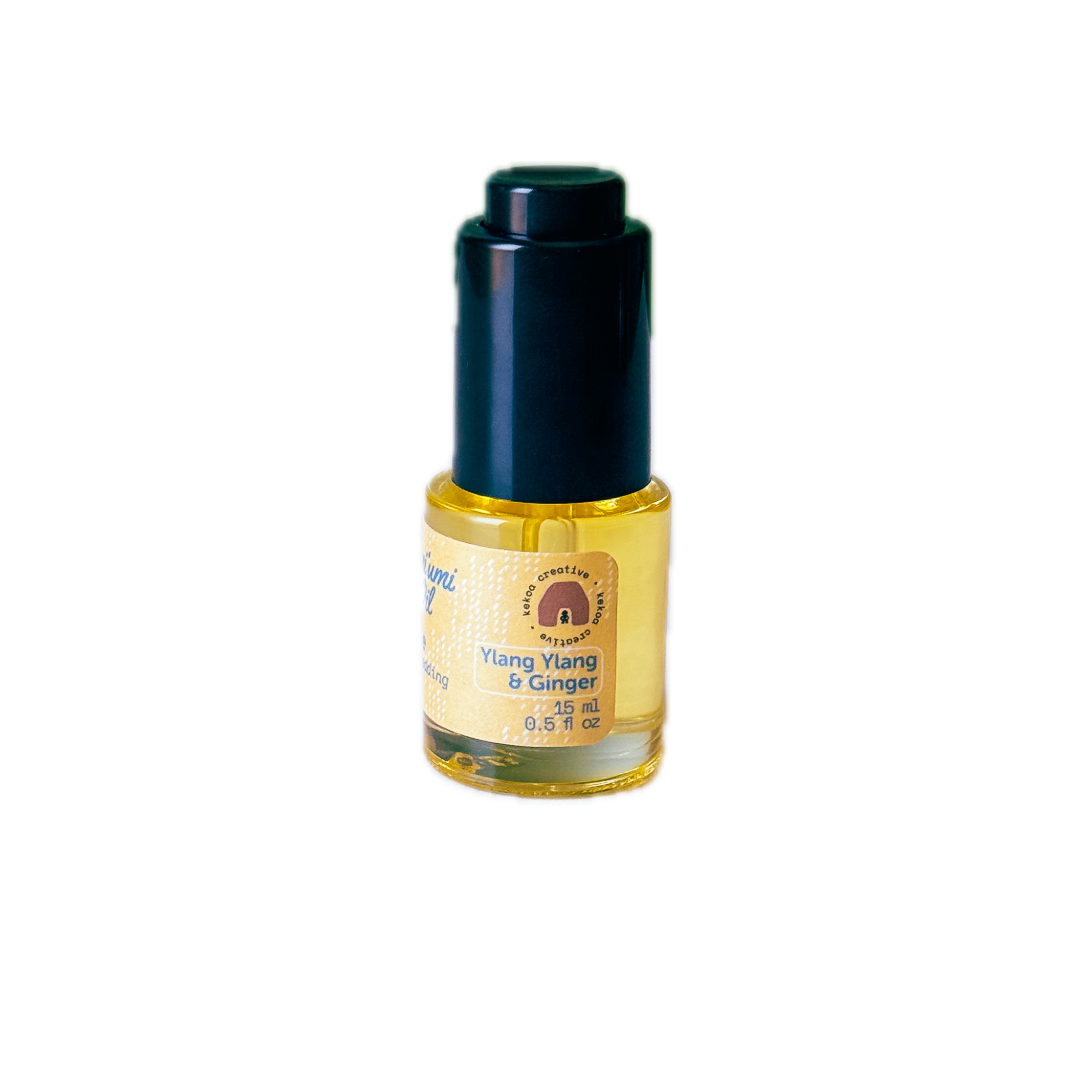 Image 2 of 5
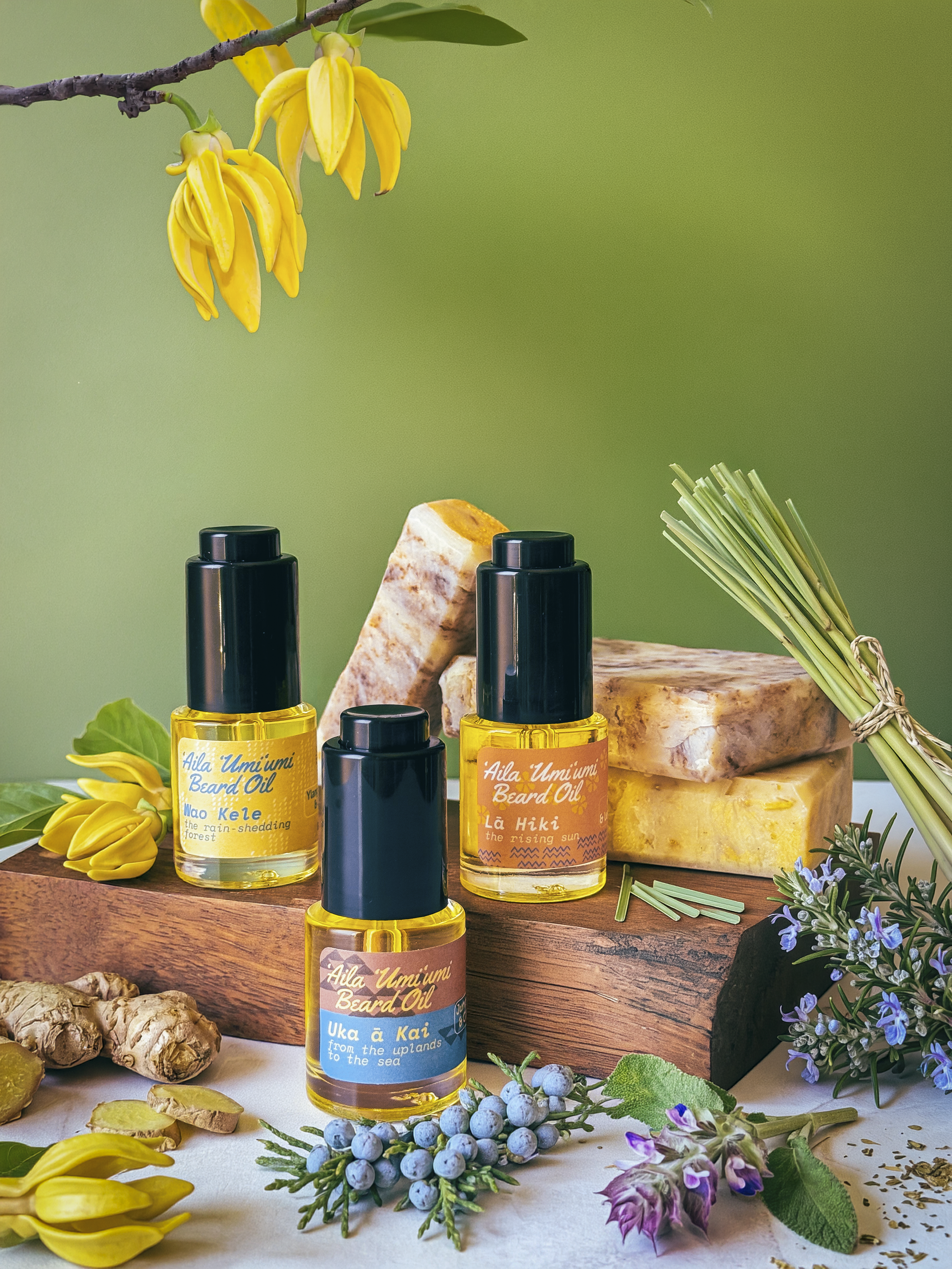 Image 3 of 5
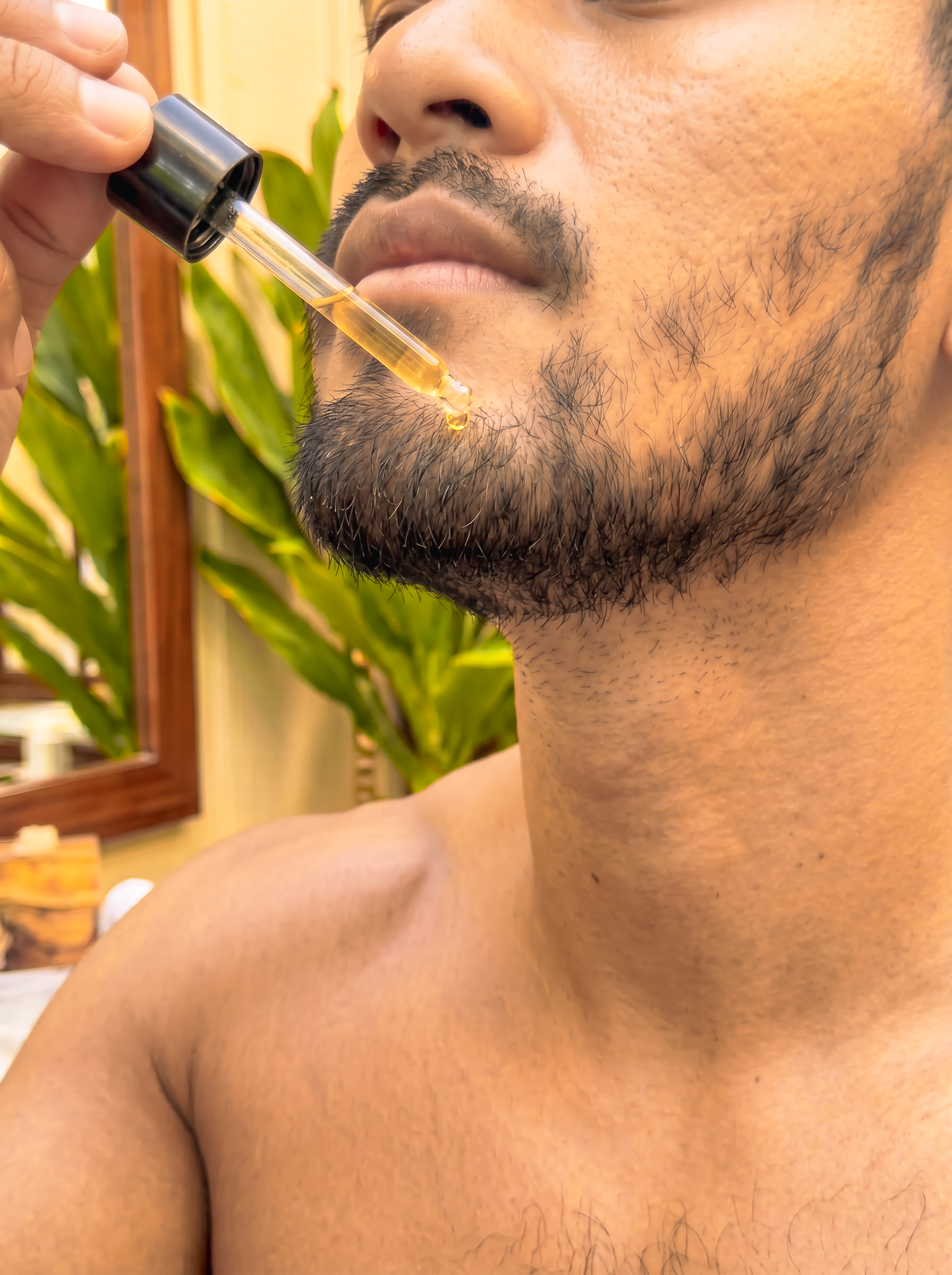 Image 4 of 5
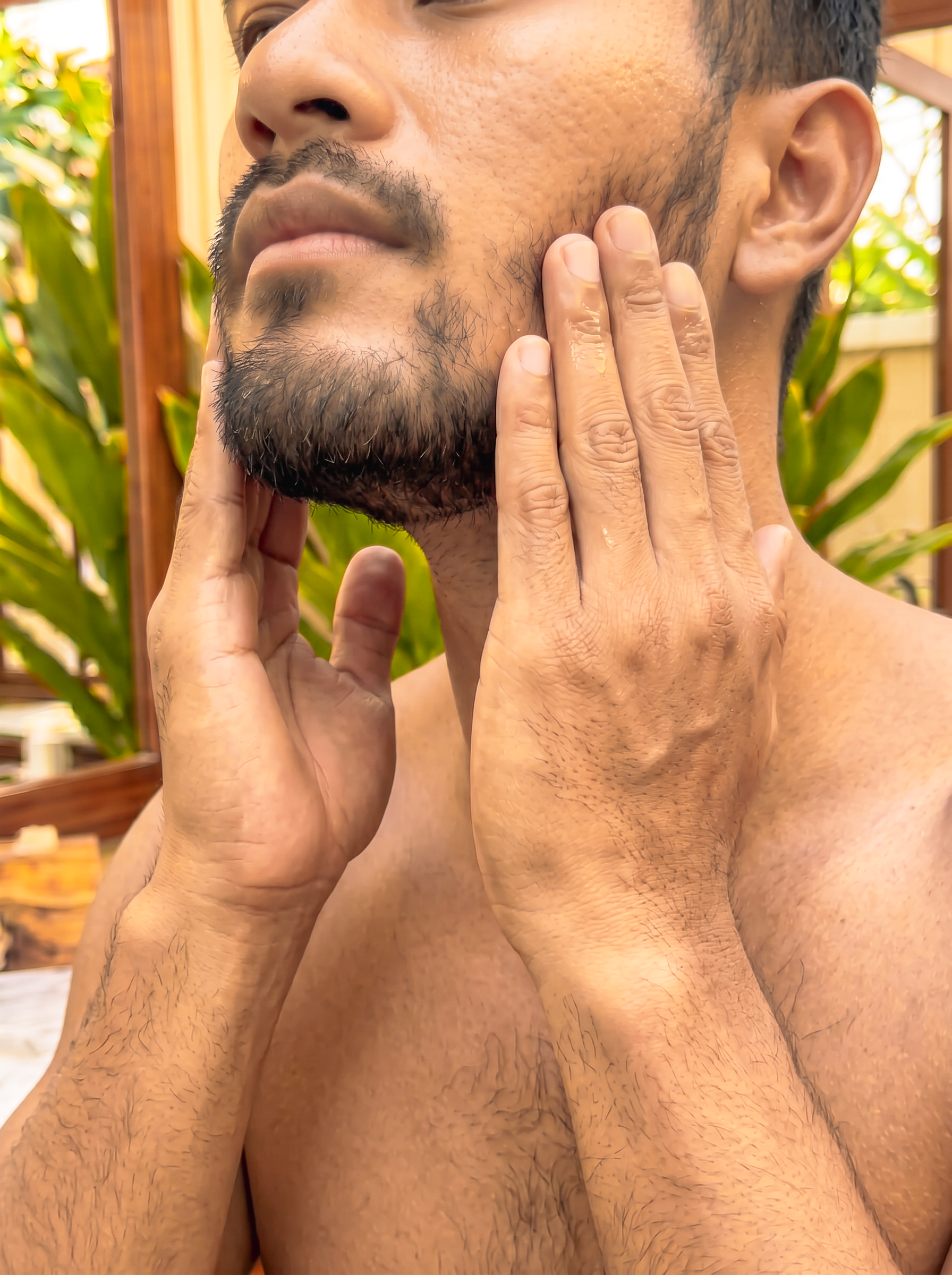 Image 5 of 5
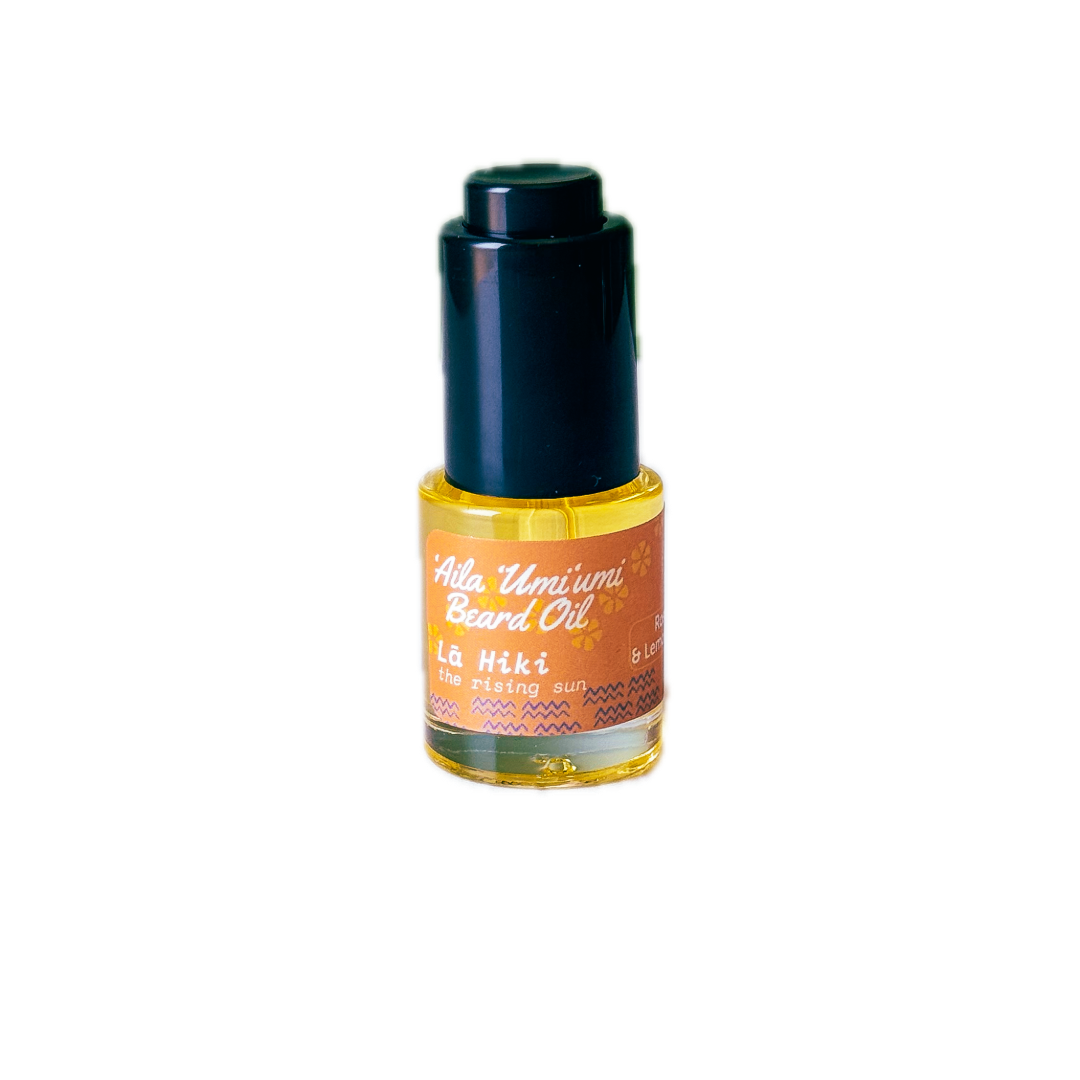
ingredients:
Simmondsia Chinensis (Golden Jojoba) Seed Oil*, Aleurites Moluccanus (Native Kukui) Seed Oil, Santalum Paniculatum (Lāʻau ʻAla / Royal Hawaiian Sandalwood) Oil*, Cananga Odorata (Ylang Ylang) Essential Oil, Zingiber Officinale (Ginger Root) Essential Oil.
*Certified Organic / EcoCert Certified
The Synthetic-Free Guarantee: 100% plant-based. Free of petroleum byproducts, artificial silicones, parabens, synthetic fragrances, and chemical thinning agents.
Why It Outperforms Traditional Synthetics
Standard mass-market grooming lines rely on heavy synthetic silicones and artificial mineral oils that superficially coat facial hair while trapping environmental dirt, sweat, and razor micro-nicks underneath. Wao Kele offers zero-waste, plant-based precision for professional barber stations and home vanities alike.
Cold-pressed native Kukui nut oil wraps rigid beard fibers in essential fatty acids to maximize hair softening and increase elasticity. Balanced with biomimetic golden jojoba oil, it mimics your skin’s natural lipid profile to alleviate the dry skin scratch common with medium-to-thick beard growth without ever clogging skin pores.
The Sensory Chemistry: Exotic ylang-ylang and warm ginger root deliver an immediate, intoxicatingly sweet and earthy tropical opening that invigorates the skin surface. Because we meter our precious Hāloa ʻĀina sandalwood base note at a precise concentration to avoid aromatic crowding, the creamy, dry-wood profile develops beautifully after application as it synthesizes with your skin.
Professional Barber & At-Home Ritual Instructions
Phase 1: Pre-Shave Prep & Trim: Warm 4–6 drops between your palms. Massage thoroughly into the roots of a damp beard and neck prior to trimming or edging to relax coarse fibers, improve skin elasticity, and create an advanced low-friction razor guide.
Phase 2: Post-Shave Grooming Aftercare: Press firmly into clean facial skin, jawline, and dry beard roots post-grooming to instantly soothe skin tightness, calm razor burn, and alleviate dry flaking.
what we love about Hāloa ʻĀina:

Hāloa ʻĀina embodies the spirit of restoration and sustainability through its commitment to reforestation and community education. Dr. Wade Lee and Lillian Lee have taken a remarkable step by reacquiring ancestral land in Kailua-Kona, transforming it from its ranching past back into a thriving ecosystem. This journey is not just about reclaiming land; it’s a dedication to revitalizing the native flora that sustains Hawaiʻi Island’s unique environment.
Dr. Lee’s expertise and passion channel vital resources into the restoration of dryland forests and the rich biodiversity of Hawaiʻi Island as its natural watershed is restored. Through educational initiatives, he inspires his community to participate in reforestation efforts, fostering a kuleana, a collective responsibility, to “mālama ʻāina, mālama wai” - to care for the land and freshwater. As more individuals and families engage in this mission, the initiative becomes a living embodiment of Hawaiian cultural values, promoting a sustainable future for generations to come.
Support for Hāloa ʻĀina aligns with our commitment at Kekoa Creative to honor and uplift Hawaiian culture. By sharing the stories of organizations like this, we reaffirm our values of environmental stewardship and cultural pride, encouraging a deeper connection to the land and its history. Together, we can help rebuild and sustain Hawaiʻi’s precious ecosystems, ensuring that they flourish for years ahead.
How does lāʻau ʻala produced by Hāloa ʻĀina relate to reforestation?
Many people do not know that the Hawaiian Sandalwood, or Lāʻau ʻAla, plays a vital role in its ecosystem as a hemiparasitic plant. It relies on host plants, such as the endemic koa, māmane, and naio trees, for water and nutrients. These trees are unique to Hawaiʻi, creating a rich and biodiverse environment.
At Hāloa ʻĀina, the commitment to reforestation and sustainable forestry is evident in their practices. For every Hawaiian sandalwood tree planted, a koa tree is also nurtured alongside it. This symbiotic relationship is crucial; Lāʻau ʻAla extracts nutrients from the koa while providing it with santalol compounds, which help the host tree combat insects and diseases.
The lifecycle of Lāʻau ʻAla is relatively short compared to its koa counterpart. Hāloa ʻĀina adopts a responsible approach by harvesting only dead and dying Sandalwood plants by helicopter from the Dryland forests, ensuring that the living host trees and surrounding native plants remain unharmed. The harvested sandalwood is then skillfully processed on-site into oil, hydrosol, and wood chips, contributing to a sustainable cycle. Following this, new saplings of Lāʻau ʻAla are planted, continuing the important ecological cycle of growth and regeneration.